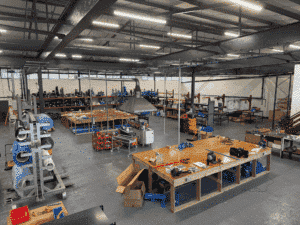
Techbelt Opens Dedicated PU & PVC Conveyor Belt Facility in Mytholmroyd
Techbelt Opens Dedicated PU & PVC Conveyor Belt Facility in Mytholmroyd Techbelt has opened a dedicated PU and


Modern manufacturing and processing environments face persistent challenges in material handling, demanding conveyor systems that are not only highly efficient but also adaptable, hygienic, and economically viable. Traditional belting solutions sometimes struggle to meet these multifaceted requirements, frequently leading to operational inefficiencies, increased maintenance expenditures, and limitations in production flexibility. These challenges directly impact a plant’s throughput and their bottom line, creating a constant pressure for operations managers and procurement specialists to find more robust solutions.
Plastic modular belting has emerged as a transformative technology in this landscape, offering a durable, versatile, and highly efficient alternative to conventional conveyor belts. Its unique design and material properties directly address many of the critical pain points currently experienced by industrial operations and procurement teams. The inherent advantages of this belting solution, such as reduced downtime, lower maintenance costs, improved sanitation, and increased throughput, are not merely features but fundamental improvements that enhance overall operational capabilities and financial performance. The design choices embedded within plastic modular belting directly contribute to these tangible business outcomes, making it a compelling consideration for any facility looking to optimize its material flow.
This comprehensive guide will explore the fundamental aspects of plastic modular belting, including its definition, core advantages, diverse applications across various industries, the different types and customization options available, and crucial factors to consider when selecting the optimal belt for specific operational needs.
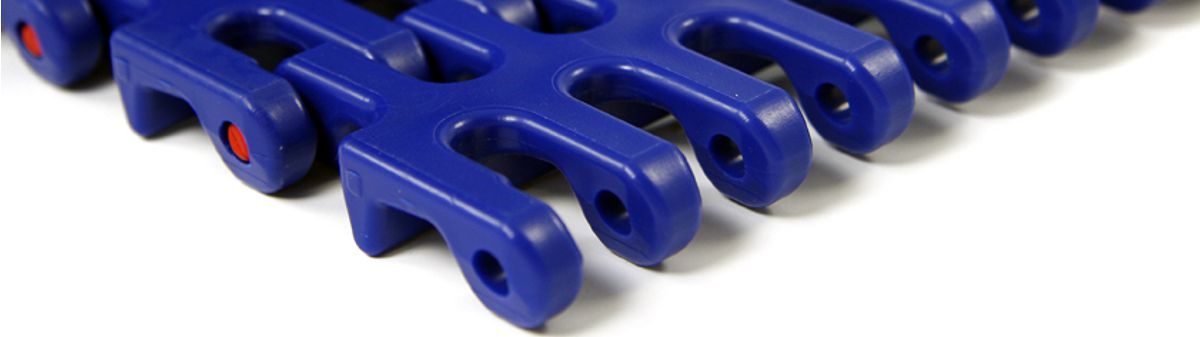
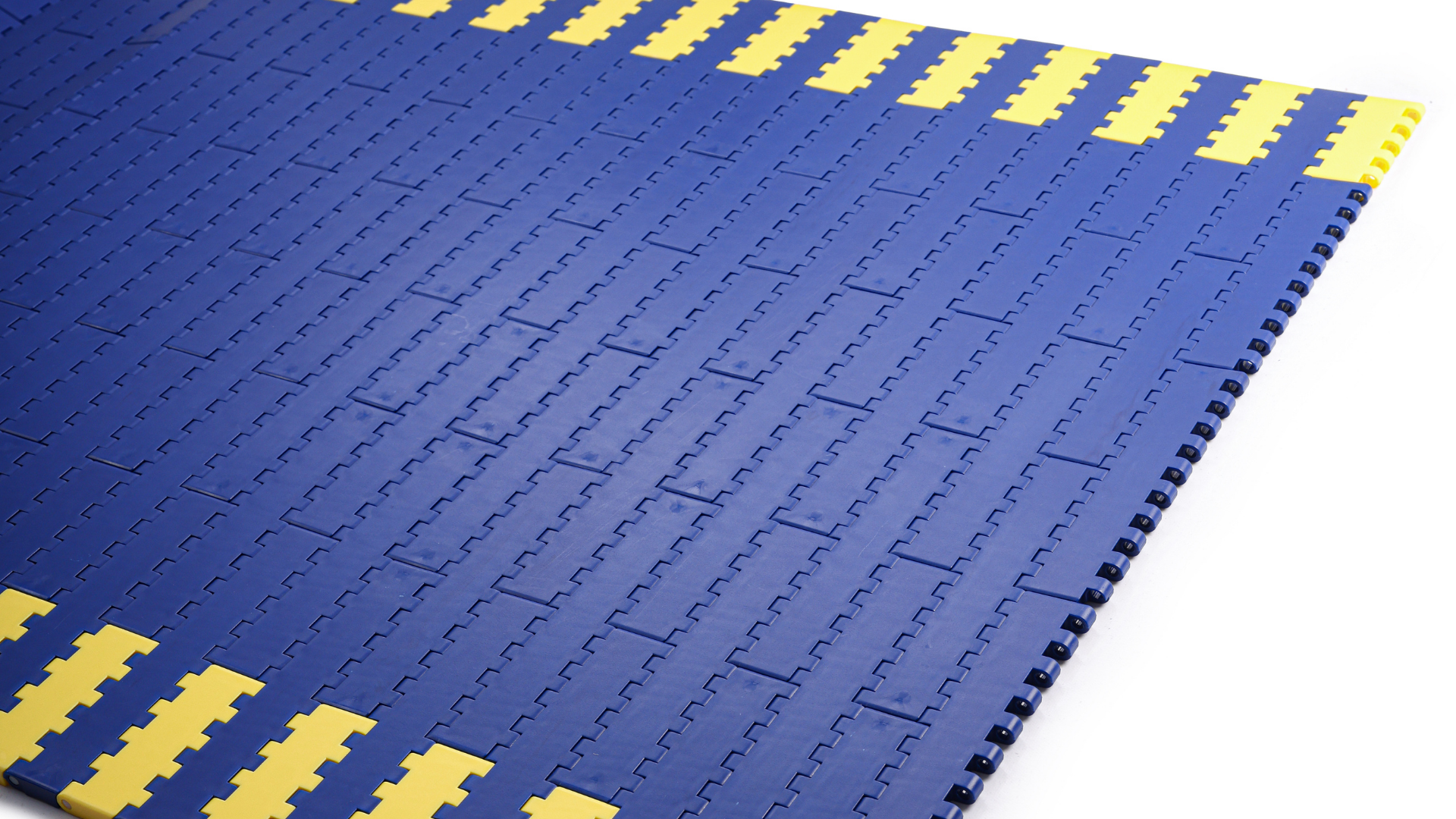
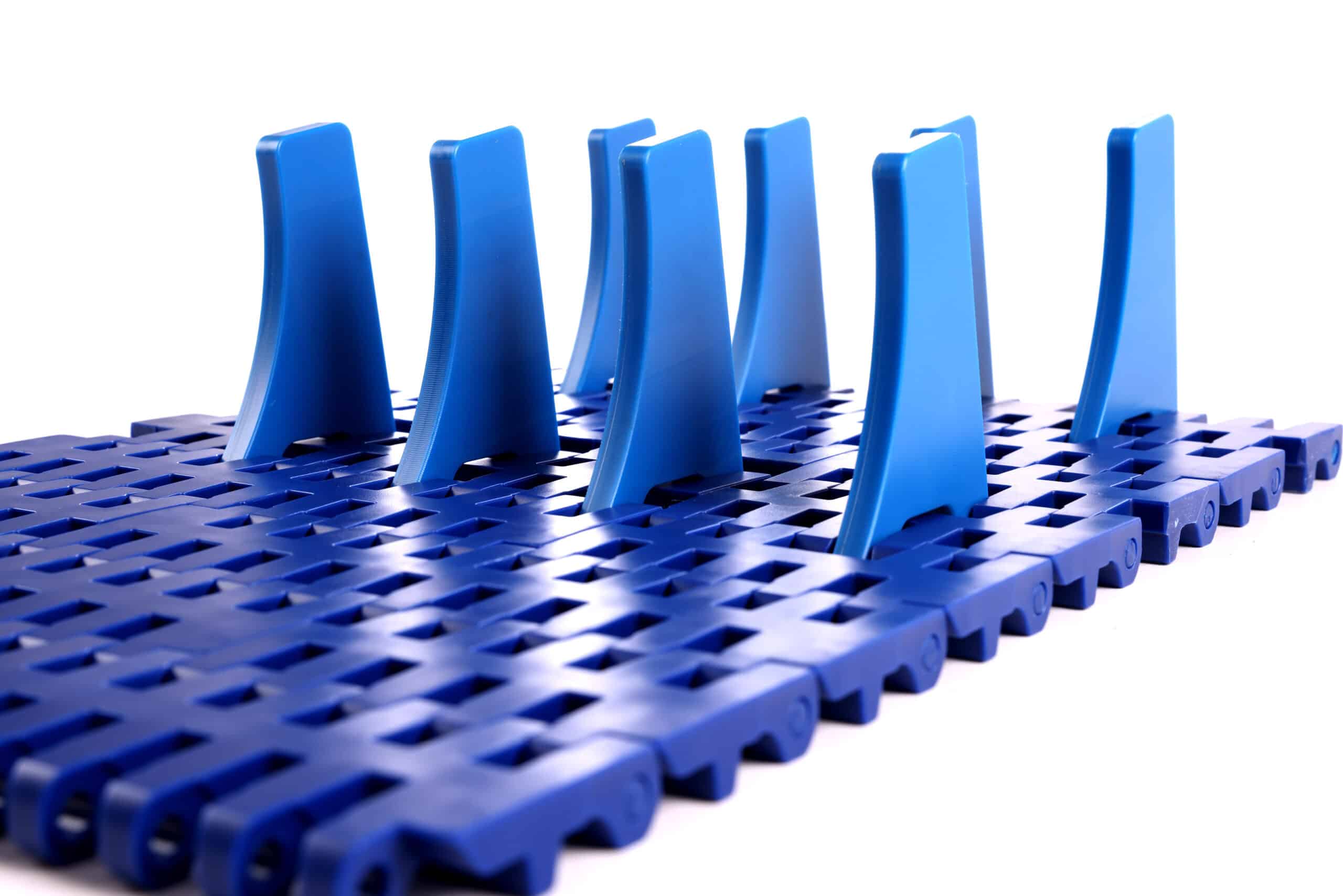
Plastic modular belting represents a distinct category of conveyor belting, characterized by its innovative construction from individual, injection-moulded plastic modules. These modules are meticulously linked together using hinge rods, forming a continuous belt that resembles an interlaying brick pattern. This “Lego-like” assembly is not merely a design choice; it is fundamental to the system’s inherent flexibility, ease of repair, and overall robustness. The ability to assemble the belt from discrete, interchangeable units provides a foundational advantage for maintenance and customization.
The operational mechanism of plastic modular belts also sets them apart. Unlike traditional conveyor belts that rely on friction for movement, plastic modular belts are propelled forward by a positive drive system. This involves sprockets, which are profiled wheels, engaging directly with the underside of the belt. This positive engagement eliminates belt slippage, a common issue with friction-driven systems, thereby ensuring precise tracking and smooth, consistent operation. This mechanical drive system is a critical engineering choice that enables many of the subsequent performance benefits, such as enhanced tracking capability and reduced wear on components. The modular, interlocking design, combined with this positive drive mechanism, forms the core engineering principles that yield the technology’s significant operational and economic advantages.
The modules themselves are typically manufactured from a selection of high-performance plastics, each offering distinct properties tailored for diverse applications. The most common materials include:
The careful selection of these materials based on the specific application’s requirements is paramount to optimizing the belt’s performance and longevity.
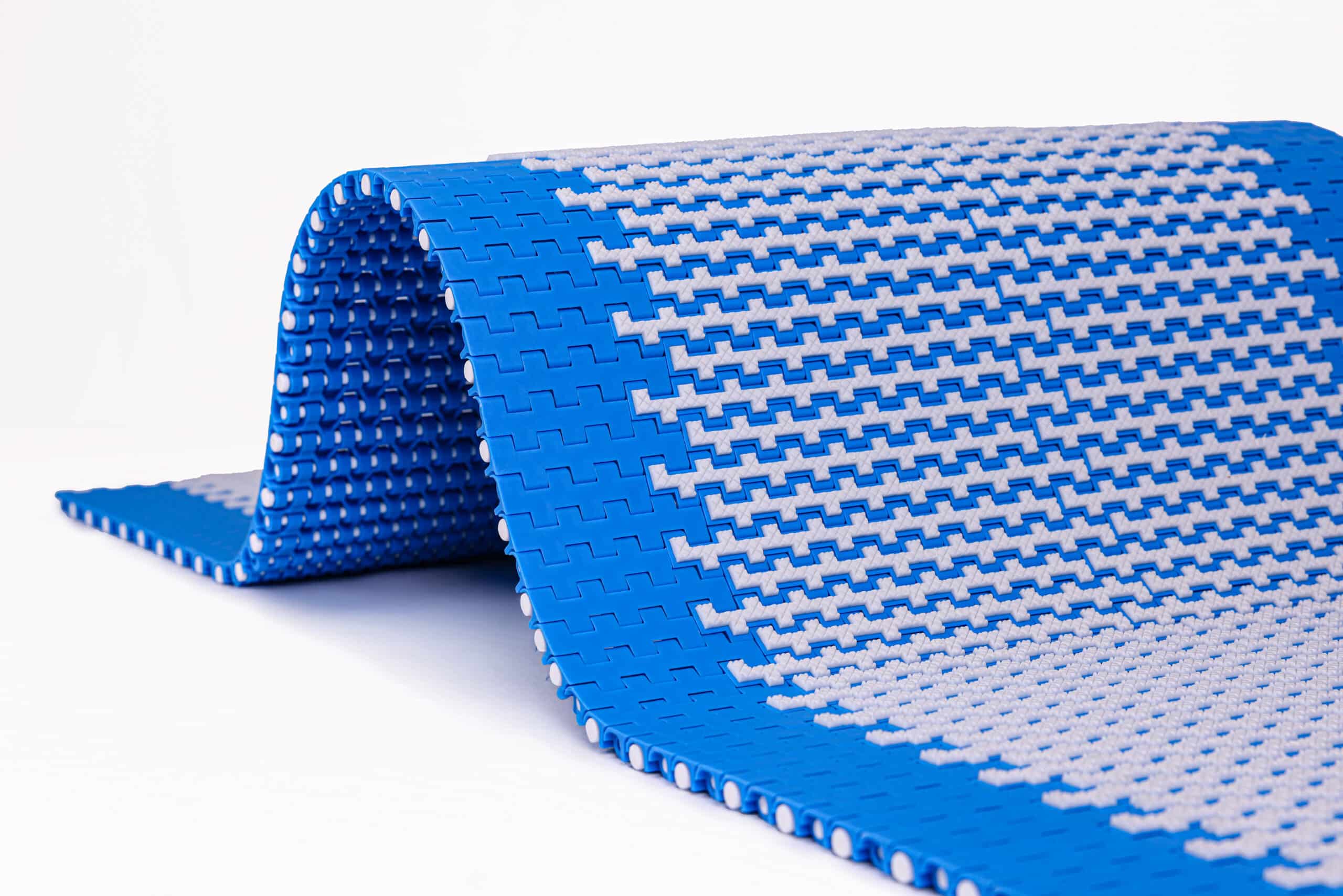
Plastic modular belting offers a compelling array of benefits that directly translate into improved operational efficiency, reduced costs, and enhanced reliability for industrial applications. The inherent design and material properties of these belts provide solutions to many common manufacturing challenges.
One of the most significant advantages is effortless maintenance and rapid repair. The modular construction means that if a single module or section of the belt becomes damaged, only that specific part needs to be replaced, rather than the entire belt. This process is remarkably quick, often requiring only minimal tools, for example a screwdriver. This drastically reduces the time a production line is down and significantly lowers associated labour and material costs. The ability to perform targeted repairs, rather than extensive replacements, directly contributes to minimized operational interruptions.
Superior hygiene and sanitation capabilities are particularly critical for industries like food processing and pharmaceuticals. Plastic modular belts are frequently manufactured from FDA-compliant, non-porous thermoplastics. Their design, especially with open-hinge options, facilitates thorough cleaning, effectively preventing product build-up and bacterial contamination. These materials are also highly resistant to aggressive cleaning agents commonly used in washdown procedures, ensuring high safety standards are maintained. The ease of disassembly further simplifies the sanitization process, making it time-efficient.
The precise tracking and positive drive performance of these belts are fundamental to their reliability. The positive drive system, which utilizes sprockets to engage the belt, ensures consistent belt tracking and eliminates slippage. This mechanical engagement leads to smooth operations, reduces the need for constant manual tracking adjustments, and minimizes downtime that might otherwise be caused by belt misalignment or friction-related issues. This consistent performance contributes directly to operational stability and reduced wear on ancillary components.
Plastic modular belting offers unparalleled design flexibility for complex layouts. These belts can be configured to navigate curves, inclines, and declines seamlessly using a single belt and motor, thereby eliminating the need for multiple conveyor sections and transfer points. This inherent adaptability is particularly beneficial for facilities with limited floor space or those requiring intricate routing of products. The ability to create complex paths with a single belt simplifies system design and reduces installation costs.
Furthermore, these belts demonstrate robust resistance to harsh environments. They are engineered to withstand a wide range of challenging conditions, including extreme temperatures (ranging from -70°C to +240°C) , high humidity, exposure to aggressive chemicals, significant product impact, and abrasive environments. Their durable construction ensures resistance to tearing, fraying, and corrosion, contributing to a longer operational lifespan even in demanding industrial settings.
The cumulative effect of these advantages translates into long-term cost savings. While the initial investment for plastic modular belting might be higher compared to some traditional belts, this upfront cost is typically offset by substantial reductions in maintenance time, minimized downtime, extended product life, and lower energy consumption due to their low-tension operating systems. The ability to quickly repair damaged sections, coupled with reduced wear on bearings and ancillary components, significantly lowers ongoing operational expenses. This interconnected chain of efficiencies, from easy repair to low-tension systems and positive drive, collectively contributes to a compelling economic argument for adoption. The technology is not merely an operational improvement but a strategic investment that positively impacts the financial health and competitive position of a plant.
The inherent versatility and robust nature of plastic modular belting make it an optimal choice for a vast array of industries and specific applications. This technology frequently outperforms traditional belt types, particularly in challenging and specialized environments. The sheer breadth of applications, ranging from delicate food items requiring stringent hygiene to heavy industrial components, highlights that plastic modular belting is not a niche product but a highly adaptable and customizable foundational solution for diverse manufacturing challenges. This implies that the technology functions as a versatile “platform” that can be tailored to specific needs, rather than a single-purpose tool.
This sector represents a primary application area for plastic modular belting, largely due to its hygienic design, ease of cleaning, and compliance with stringent FDA/USDA regulations.
In the packaging industry, modular plastic belts efficiently transport packaged materials such as boxes, bags, and containers. Their robust design enables them to support heavier loads, especially on inclined conveyors. For warehouse distribution and logistics, hinge-type belts excel at moving boxes or pallets around both straight and curved sections, significantly improving productivity and efficiency during loading and sorting activities.
Plastic modular belts are integral to manufacturing assembly lines, capable of carrying parts that require careful handling. Hinge-type belts are particularly useful in industries like electronics or automotive, where they can easily swing around corners, facilitating complex assembly processes. Solutions for the automotive industry cover the entire production process, from the press shop to the final vehicle assembly.
For industrial settings, plastic modular belts are well-suited for handling very heavy items, such as steel, wood, or cement components. Their inherent durability and strength ensure they can support substantial loads and withstand demanding work hours in tough environments.
The advantages of plastic modular belting extend to several other specialized sectors:
This broad applicability demonstrates that plastic modular belting is not a single product but a highly adaptable system of solutions. Its inherent flexibility allows it to be optimized for diverse operational environments, enabling a single technology family to address multiple, seemingly disparate, conveying challenges within a facility. This simplifies procurement, maintenance, and training, making it a robust and increasingly adopted solution across a wide range of industrial applications.
Selecting the optimal plastic modular belt involves a nuanced understanding of the available materials, belt types, and customization options to precisely match the specific demands of a given application. The extensive range of choices reveals that plastic modular belting is not a “one-size-fits-all” product, but a highly engineered, adaptable system. This implies that successful implementation requires a detailed understanding of the specific application’s nuances, reinforcing the need for a thorough application analysis and, potentially, expert consultation.
The choice of plastic material profoundly impacts the belt’s performance under various conditions, including temperature, chemical exposure, and abrasive forces.
Table 1: Comparative Properties of Common Plastic Modular Belt Materials
| Material Type | Key Strengths | Key Limitations/Considerations | Common Applications/Suitability | Temperature Range (Typical) |
| Polypropylene (PP) | Good cost/performance ratio, excellent chemical resistance (acids/alkaline), suitable for high temperatures/hot water. | Becomes brittle below 5°C (50°F); high impact below 10°C must be avoided. | General purpose, food processing, high-temperature applications. | +5 to +80 °C |
| Polyethylene (PE) | Excellent for very low temperatures, good chemical and impact resistance (even at low temps), affordable. | Low abrasion resistance; not suitable for abrasive conditions; limited high-temperature resistance. | Very low-temperature environments, food processing. | -70 to +60 °C |
| Acetal (POM) | High rigidity, hardness, and strength; high impact, cut, and abrasion resistance; low coefficient of friction; good chemical resistance to oils and alkaline. | Not suitable for long-term contact with high concentrations of acids and chlorine. | Abrasive or sharp products, heavy-duty applications. | Dry: -38 to +90 °C; Wet: -35 to +60 °C |
| Nylon | Good strength and low coefficient of friction; suitable for heavy-duty applications; better strength and abrasion resistance; can be used for high-temperature applications. | Not suitable for chemical environments; not suitable for wet conditions. | High-temperature applications, heavy-duty applications. | Dry: -35 to +120 °C; Wet: Not Recommended |
| Polycarbonate | Easily moulded into any shape, offering significant design flexibility. | Specific temperature and chemical resistance data for belting applications not detailed in provided material. | Facilities with unique spatial needs requiring complex moulding. | Not specified |
Beyond the intrinsic properties of the plastic, environmental influences such as humidity can also play a significant role. For instance, polyamide rods, sometimes used in modular belt construction, can expand as a result of moisture absorption, which could affect belt performance and tracking over time. The selection of the belt support material is also important, as dirt embedded in the support can cause abrasion on the belt itself.
The modular nature of these belts allows for a wide range of surface configurations, each optimized for specific product handling requirements.
The design of the hinge mechanism connecting the modules is another critical choice, particularly for hygiene-sensitive applications.
The inherent modularity of plastic modular belting allows for extensive customization beyond just material and surface type, enabling the system to be precisely tailored to unique operational demands. The vast array of choices available means that simply opting for “plastic modular belting” is insufficient; the specific configuration is paramount. Each option addresses a particular functional requirement, highlighting the high degree of customization inherent in the technology.
This level of detail and customization suggests that choosing the optimal plastic modular belt is a complex engineering decision, not a simple purchase. It often requires a thorough analysis of the application’s unique demands and, frequently, expert guidance from reputable suppliers or consultants. This approach helps mitigate risks associated with incorrect selection, such as premature wear or hygiene issues, and ensures the initial investment yields the expected long-term benefits.
To maximize the benefits of plastic modular belting, a systematic approach to selection is crucial. This involves evaluating several key factors related to the product being conveyed, the specific application, and the operating environment. The detailed list of selection criteria, including specific material limitations and potential drawbacks, reveals that selecting the appropriate plastic modular belt is a complex engineering decision, not a simple purchase. This underscores the necessity for a thorough application analysis and often, collaboration with suppliers or experts.
The nature of the items being conveyed is a primary determinant in belt selection.
The operational context of the conveyor system is equally important.
Detailed technical parameters of the conveyor system also play a crucial role in selection.
While plastic modular belting may present a higher upfront cost compared to some traditional belt types, this initial investment is typically offset by significant long-term advantages. These include substantial reductions in maintenance time, improved sanitation, increased throughput, and an overall more efficient system over its extended lifespan.
It is also important to acknowledge potential considerations. For instance, certain products may get caught in the belt’s hinge points, leading to build-up that requires additional cleaning time. This highlights the importance of expert consultation to balance the numerous advantages with specific application challenges and ensure the optimal belt design is chosen. This level of complexity suggests that operations and procurement teams should engage in detailed discussions with reputable suppliers or conveyor experts to ensure the chosen solution is truly optimized for their unique operational environment. Such collaboration helps mitigate risks associated with incorrect selection and ensures the initial investment yields the expected long-term benefits.
Plastic modular belting stands out as a superior conveying solution due to its unparalleled durability, ease of maintenance and repair, exceptional hygiene capabilities, precise positive drive mechanism, and remarkable design flexibility. These attributes collectively contribute to significant reductions in operational downtime, lower overall costs, and enhanced productivity across a multitude of industrial applications. The ability to quickly repair damaged sections, coupled with reduced wear on components and the elimination of slippage, creates a compounding effect that significantly improves a facility’s efficiency and economic performance.
As industries continue to evolve and demand higher standards of efficiency, safety, and hygiene, plastic modular belting offers a future-proof investment. Its proven performance across a vast range of demanding applications, coupled with its inherent adaptability and long-term cost savings, positions it as an indispensable technology for modern material handling systems.
The market expansion on this product signifies widespread industry recognition and confidence in the long-term ROI and operational advantages offered by this technology. For an operations manager or procurement specialist, investing in a technology with such strong market growth and proven benefits is not merely an operational upgrade; it is a strategic move to maintain competitiveness and ensure their facilities are well-equipped to meet evolving industry demands.
By adopting this technology, businesses align with a growing industry trend and position their operations for sustained success and resilience. It is therefore prudent for organizations to assess their current conveyor systems and consider how plastic modular belting can revolutionize their operations, driving efficiency and ensuring long-term success
Techbelt Opens Dedicated PU & PVC Conveyor Belt Facility in Mytholmroyd Techbelt has opened a dedicated PU and
Why Modern Industries are Turning to Plastic Modular Belts Modern manufacturing and processing environments face persistent challenges in
Timing belts are crucial components in conveyor belt systems and other machinery. They ensure precise synchronisation between the
